Tuesday, December 13, 2011

Bringing biofilm back

We've used the biofilm protocol in the past with Grayson.  It was the only thing that pulled us out of the trenches when his OCD, anger/aggression and tics were out of control.  We had tried antibiotics twice, long courses pulsed, for his Clostridia, e.coli and strep, to no avail.  It never failed, his symptoms always returned within 6-8 weeks.  Biofilm to the rescue!!  No more antibiotics for this household! His last stool test was clean as a whistle!  Only good bacteria to show for, yeah baby!!

Grayson is currently in managed recovery with no more of the above symptoms.  They are GONE!  We know we still have a long healing path ahead of us, because he can't sustain without the supplements and antimicrobials, and he regresses slightly when he is sick or maybe he's just like the rest of us when we are sick, impatient, cranky and tired.  A child doesn't have the filter to control what they think so it comes across as lack of control when it may just be normal sickness response, FINALLY!!  There was a time when he never got sick, hypo-immunity)

I bet you are wondering why we would need to bring the biofilm protocol back then.  Well, it's not for Grayson, it's actually for Gavin!  He has been catching cold after cold since before Thanksgiving.  When he is sick, he is completely unbearable to manage.  He has never been a sensory kid like Grayson, but when he's sick, his clothes bother him, sleeves and socks, his coat bothers his sleeves (figure that one out) and even food textures become an issue suddenly.  His mood is volatile constantly, he looses speech only screaming and yelling for communication.  He is irritated 24/7!!  He has had bloating and the red anal ring the entire time he's been sick as well.  I tried increasing his antimicrobials with no success.

Then it dawned on me....BIOFILM!  If it worked so well with Grayson, it should also work with Gavin now.  I only started it a few days ago and the results are astounding!!  It's bringing back so many memories from using it with Grayson, but it's working SO much faster!  He immediately began having army green BMs which is always a sign of bacteria die off, yippee!!  A few of them even had mucus with them, which we never see.  The red anal ring is gone, just like that!

It's like we flipped a switch on in his brain!  He is speaking in full, thorough sentences, including following through with conversations.  He listens, responds (even uses "yes" instead of "yeah" or "I did" or "I didn't" instead of just "yes" or "no") and carries through to the end of the conversation calmly and appropriately!!  He is using manners on his own, he is cleaning up messes without being forced, he even played in his room alone for over an hour this morning, reading books and playing with trains.  His belly is down, he's patient and cooperative, and best of all, he is HAPPY again!!  Nothing makes me happier!

Today he did puzzles of the Unite States, puzzles he has never even seen before, very hard puzzles with a lot of small pieces.  At first glance, he immediately noticed that a piece of the puzzle (a state) was MISSING from the pieces laid out in front of him.  He pointed to the puzzle board and said, "This one isn't here".  Unbelievable!!  He is absolutely amazing me right now.  To go from the things we were seeing just days ago, to this, it's clear that the biofilm protocol (with the addition of Lauricidin to his natural antimicrobials) is solely responsible, because nothing else has changed and he is even still sick with congestion and a runny nose.

There are times when we need to go back to basics and for us, that means reinstating protocols we have used successfully, in the past.  Since we have used this with Gavin in the past, as well (when he was MUCH younger) I expect it will work it's magic faster this time around, with lasting results hopefully.  All I know is that I will take what I can get, the vacation from the screaming alone is enough to keep me smiling, today anyway.  =)

Saturday, December 10, 2011

Camel milk in the spotlight

This is an informative and entertaining video from TEDx NHH with Sebastian Lindstrom who works with The What Took You So Long Foundation.  He shares bits and pieces of their movie (you will even see Grayson and our Facebook page mentioned), while narrating the experiences of their journey through dozens of countries filming about camel milk.  This is a world wide initiative that is taking place.  We are blessed to be gaining from this momentum. 

Sunday, December 4, 2011

Pharmaceutical minefield

Be careful what you wish for.

We want doctors to listen, we crave guidance from the very souls who inject our children with poison and send them reeling in toxic blood baths.  Why the bittersweet battle?  In one word - MONEY!  We want our children to benefit from our costly health insurance and rightfully so!!  Who wouldn't want their health issues addressed by their doctors and covered by their insurance?!

Be careful what you wish for.

What happens when mainstream doctors finally DO acknowledge that our children are walking medical books rather than genetically neurological head cases?  Are we really ready for that?

Cha-ching!

This is already in the process of happening, so we KNOW what will transpire the minute doctors realize they can cash in on "curing" autism symptoms.  Notice I said curing symptoms?  Mainstream medicine is a pharmaceutical conundrum, the proverbial symptom band-aid, if you will.

Take PANDAS for example.  PANDAS stands for Pediatric Autoimmune Neuropsychiatric Disorder Associated with Streptococcus.   Let's thank ADHD.com for this detailed description of the 5 diagnostic criteria for the diagnosis of PANDAS below.

What are the diagnostic criteria for PANDAS?
Pandas is diagnosed if there is an episodic history of the following symptoms associated with strep infections.

  • Presence of Obsessive-compulsive disorder and/or a tic disorder, ADHD symptoms or oppositional behaviors
  • Association with neurological abnormalities (motor hyperactivity, or adventitious movements, such as choreiform movements)
  • Pediatric onset of symptoms (age 3 years to puberty)
    Episodic course of symptom severity. (symptoms come and go)
  • Association with group A Beta-hemolytic streptococcal infection (GABHS)
  • GABHS evidenced by either a positive throat culture for strep or positive for streptococcus serology (ASOT or AntiDNAse-B)
  • A history of Scarlet Fever or Rheumatic fever
What is an episodic course of symptoms?
Children with PANDAS seem to have dramatic ups and downs in their OCD and/or tic severity. Tics or OCD which are almost always present at a relatively consistent level do not represent an episodic course. Many children with OCD or tics have good days and bad days, or even good weeks and bad weeks. However, patients with PANDAS have a very sudden onset or worsening of their symptoms, followed by a slow, gradual improvement. If they get another strep. infection, their symptoms suddenly worsen again. The increased symptom severity usually persists for at least several weeks, but may last for several months or longer. The tics or OCD then seem to gradually fade away, and the children often enjoy a few weeks or several months without problems. When they have another strep. throat infection the tics or OCD or associated behaviors return just as suddenly and dramatically as they did previously.

It is quickly gaining popularity with mainstream doctors.  And what is their treatment for it, you ask?  Well, medication, of course....pharmaceuticals.  One of the worst things you can do to a child with an autoimmune disorder such as autism is prescribe them antibiotics, it messes with their already dysfunctional immune system.  It tears down the already lacking terrain of their gut and it messes with their ability to fight off ANYTHING, let alone the nasty strep infections.  In fact, one of the reasons people have problems with oxalates, is because antibiotics kill the oxalobacter formigenes bacteria and there is no known way to replenish it, via probiotics.

And when parents become desperate, because antibiotics no longer work (the bacteria become resistant to antibiotics and they build a matrix of biofilm to protect themselves) they are instructed that the only next step for them is a treatment called IVIG where blood plasma with protective antibodies is provided via a blood transfusion.  Sounds ideal, doesn't it....a quick fix?!  One IVIG treatment requires upwards of 10,000 donors!!  Knowing what I know about illnesses like Lyme Disease, you couldn't pay ME to have this done with my kids.  I don't want someone else's undiagnosed illness.  Think about how hard it is to detect Lyme Disease, and how common it's become!! Even, if I were assured and RE-assured that the blood was specifically tested for Lyme Disease (among other illnesses), that would not be enough for me to risk my already fragile kids lives with the possibility that even one of those 10,000 donors could have Lyme Disease.  There are other ways... 

How should PANDAS be treated?  I'm no doctor, of course.  All I can tell you is that our older son had all of the symptoms associated with PANDAS at one point, errrr ok many points...HAD is the key word there though.  I'm not convinced that all of the children being diagnosed with PANDAS actually have it, because many bad bacteria can exhibit the same symptoms.  In fact, although Grayson had Hemolytic Strep bacteria, his more dysbiotic bacteria was Clostridia.  My guess is that none of these doctors are checking their patients for heavy metal toxicity (properly) and I am sure they aren't considering a GFCFSF diet or any other diet for that matter.  Like Lyme, Clostridia, Klebsiella, yeast overgrowth (and so many other pathogenic illnesses), PANDAS responds well to all the same methods of recovery being used in biomedicine. Ironically, camel milk has been compared to doing IVIG, perhaps this is one of the other reasons we are seeing such results with our treatment choices.  If you want to learn more about why camel milk works, this link will take you to an earlier blog entry on camel milk.

If I were to consider all aspects involved with PANDAS, this is how I would approach it (wait, this is how I DID approach it, although in a slightly different order).
So yep, doctors are finally on board with PANDAS, but what exactly does that mean?  Do you also want their assistance with autism? I don't.

Be careful what you wish for.

UPDATE December 8th...This just in  from MercuryExposure.org!

From a 1984 study by Rowland et al. Antibiotics and Milk play a role in the efficency of Hg Excretion. In this study rats were given high doses of oral antibiotics the half-life for excretion of mercury increased from 10 days to >100 days. If the rats were also on a milk diet the excretion half-life increased to over 300 days. These results are consistent with the theory that demethylation of methylmercury by intestinal microflora is a major factor determining the excretion rate of mercury.
Effects of Diet on Mercury Metabolism and Excretion in Mice Given Methylmercury: Role of Gut Flora

ABSTRACT.
Mice fed either (1) a pelleted rodent diet, (2) evaporated milk, or (3) a synthetic diet (high protein, low fat) exhibited different rates of whole body mercury elimination and fecal mercury excretion after exposure (per os) to methylmercuric chloride. The percentage of the total mercury body burden present as mercuric mercury was highest (35.3%) in mice fed the synthetic diet (which had the highest rate of mercury elimination) and lowest (6.6%) in the animals having the lowest mercury elimination rate (milk-fed mice). Mice fed the syn-thetic diet had lower mercury concentrations and had a higher proportion of mercuric mer-cury in their tissues than the mice from the other dietary groups. Treatment of the mice with antibiotics throughout the experimental period to suppress the gut flora reduced fecal mer-cury excretion and the dietary differences in whole body retention of mercury. Tissue mercury concentrations and proportion of organic mercury in feces, cecal contents, liver, and kidneys were increased by antibiotic treatment of mice fed the pelleted or synthetic diets.
These results are consistent with the theory that demethylation of methylmercury by intestinal microflora is a major factor determining the excretion rate of mercury.

Discussion
The marked diet-related differences in whole body retention of Hg after MeHg exposure confirm the re-sults of Landry et al. 3 In addition, the differences in whole body retention were reflected in the amount or concentration of Hg present in the carcass (the major site of deposition of Hg in the mice), brain, blood, liver, and kidneys. The effect of diet on Hg concentration in brain (a target organ for MeHg toxicity) suggests that diet may influence MeHg-induced neurotoxicity since the concentration of Hg in tissues, particularly the central nervous system, has been correlated with the inci-dence of neurotoxicity in rats and mice.· 19 20

The three diets used in this study have many differences which make it difficult to differentiate the effects of specific dietary components1 although it would appear that dietary fiber is not an important factor governing the rate of Hg excretion since both the milk and GIBCO diets contained little indigestible residues.

Although differences in concentrations of Se were found in the three diets, it is unlikely that these were responsible for the differences in Hg elimination rates since the RMH3000 diet contained by far the highest Se concentration, yet mice fed this diet had an intermediate rate of Hg elimination. These results agree with those of Stil-lings el al., 21 who found that though dietary Se reduced the toxicity of MeHg, it did not appear to influence Hg elimination in feces or urine.

Over short time periods (up to 5 hrl co-administration of MeHgCI and low-molecular-weight thiol compounds has been shown to decrease blood Hg concentration and increase Hg accumulation by various organs by comparison to MeHgCI given alone. 22-24

Thus, differences in thiol concentrations in the diets and tissues may be responsible for diet-related changes in HHg tissue concentrations. However, in the present study, the thiol concentrations of the three diets were similar, and although some differences were detected in concentration of nonprotein-bound thiols in liver, they could not be correlated with Hg excretion rates or tissue Hg levels since mice fed milk or GIBCO diets had almost identical hepatic thiol concentrations. The con-centration of sulfhydryl compounds in the small intes-tine was highest in those mice fed milk probably due to an increase in glutathione from bile, because the ma-jority of the sulfhydryl groups were not protein-bound. However, it seems unlikely that differences in intestinal thiol concentration significantly affect Hg excretion rate since the sulfhydryl concentrations were greatly in excess of the Hg concentration to which the mice were exposed. It is noteworthy that the administration of MeHgCI increased (by 1-2 JLmoles/g tissue) the concentration of nonprotein-bound thiols in the livers of mice in all dietary groups, presumably affecting an increased synthesis of glutathione in bile.
It is possible that diet may also affect the whole body elimination of Hg via an effect on excretion of Hg in bile, since age-related changes in Hg elimination, can be as-cribed, at least in part, to changes in biliary excretion. 25

The differences in the amount of mercuric Hg in the whole body (Table 2), in the various tissues (Tables 3 and 4), and in cecal and colon contents (Fig. 4) in the animals fed the different diets suggest that diet-induced differences in Hg elimination are related to the extent of MeHg demethylation by the animals. The mice with the highest rates of Hg elimination, namely those fed GIBCO diet, had the highest proportion of their Hg body burden as mercuric Hg.

The previously demonstrated ability of the intestinal microilora to demethylate MeHg6 and its capacity to alter its metabolic activity in response to dietary modifi-cation 13•16 suggest that diet-induced changes in demeth-ylating activity of the gut flora are responsible for the differences in Hg elimination seen. Tlw results of the present study lend support to this theory.

It is clear that in all dietary groups a large proportion of total Hg in the gut was present in the mercuric form, especially in the cecum and colon. In particular, the GIBCO-fed animals reatained very high levels of Hg in the cecum and colon. Furthermore, the major route of excretion of Hg was the feces with only small amounts emerging in the urine, and in the GIBCO-fed mice the increased Hg elimination occurred via the feces rather than the urine. This indicates that MeHg demethylation occurs at sites where the product, mercuric Hg, does not re-enter the general circulation since parenterally administered HgCI2 is excreted mainly in the urine (Landry et al., unpublished observation, 1982).

Treatment of the mice with antibiotics to sterilize the gut contents virtually eliminated the diet-related dif-ferences in whole body Hg retention, in Hg excretion in feces and urine, and in the amount of mercuric Hg in whole body, gut contents, and tissues (especially in liver and kidney). These results are consistent with the theory that demethylation by the gut flora is a major determinant of the rate of Hg excretion after MeHg ex-posure. The almost complete retention of the dose of MeHg (apparent elimination of half-times> 100 days) in the animals without a gut flora and the increase in MeHg concentration in blood and liver is also consis-tent with the theory since it would be expected that the greater proportion of MeHg relative to total Hg in the gut of antibiotic-treated animals would result in greater absorption of the administered mercury dose.

Landry et al. (unpublished observation), using mice give MeHgCI intramuscularly, have reproduced the dietary-related differences in Hg elimination seen in orally dosed animals, but the three diets had little effect on Hg retention after parenteral administration of HgCI,. It would appear, therefore, that if MeHg is demethylated, diet is unlikely to exert any differential effects on Hg ... retention, suggesting that the differential effects of diet oc-cur on demethylation or on excretion of MeHg in bile.
In the mice given antibiotics, some residual formation November/December 1984 [Vol. 39, (No.6)] of mercuric Hg was apparent (Table 2) suggesting that sites of demethylation other than the gut flora exist. One possible site is the liver, although enzymatic demethyla-tion of MeHg by this organ has been little studied. It is also possible that the slow release of inorganic Hg from MeHg in the presence of thiol compounds17 contributes to inorganic Hg formation in vivo. \1\€ have confirmed (unpublished observations, 1981) that this can occur in the presence of thiol concentrations found in bile and in the liver (approximately 5 ~-tmole/mll.

In conclusion, the results of this study confirm previous reports 10 that the gut flora is the major site of de-methylation of MeHg in the mouse and strongly suggest that dietary effects on Hg elimination rates are mediated by changes in demethylating activity of the flora. The result of a high demethylation rate would be the formation in the gut lumen of mercuric Hg which, being poorly absorbed, interrupts the enterohepatic recycling of MeHg. 4

Large variations have been reported in rates of elimi-nation of Hg in human populations exposed to MeHg.18 It is conceivable that this variation may be related to the wide variation in composition of gut flora among individuals.29 Furthermore, if the major differences in gut flora that have been observed in populations in different geographic areas 10 are reflected in their MeHg demethylation rates, it is possible that there are inter-individual as well as inter-regional differences in suscep-tibility to MeHg poisoning.

Effects of Diet on Mercury Metabolism and Excretion in Mice Given Methylmercury: Role of Gut Flora
I. R. ROWLAND, Ph.D. The British Industrial Biological Research Association Woodmansterne Road Carshalton, Surrvey, United Kingdom R. D. ROBINSON, M.S. R. A. DOHERTY, M.D. Department of Pediatrics Environmental Health Sciences Center University of Rochester Rochester, New York 14642
Archives of Environmental Health: An International Journal
Arch Environ Health
Published/Hosted by Taylor and Francis Group. ISSN: 0003-9896.

Monday, November 21, 2011

Your children can swallow pills?

Yes they can, and they have since they were 3 and 2 years old.  We started biomed later in age with our older son, which is why he started at 3 rather than 2.  Both can take a pill cup and dump it in their mouths and swallow, even without liquids, ICK!  I can't even do that!! 

A friend asked me how I got them to swallow pills and the light bulb went on, what a great idea for a blog entry!  Of course, what works for my kids' personalities may not work for all, but it's not often I meet a child who doesn't want to prove their parents wrong, lol.  Reverse psychology anyone? 

Before I explain how it went down in our kitchen, let me preface this with something I think is very important in all child rearing facets....attitude.  No, I don't mean you should HAVE an attitude and force your child to take a pill, lol, what I mean by attitude is the general mood you carry throughout any lesson.  I truly believe that children have an innate sense of the emotions and moods going on around them.  It's how they survive without the use of words for months to years.  They need, instinctively, to be in tune with their parents.  If you believe your child can't swallow pills (and I bet you are shaking your head yes here), then well, they can't.  They are going to sense your "attitude" about it.  When you have confidence in anything, your body reeks of it, your body language is different, your eyes and forehead are different, your voice is stronger and straight forward, just ask an investigator about unspoken body language, it's much deeper than just crossing your arms or legs, lol.

So I mentioned reverse psychology...this has done wonders for us at inopportune times, like the dinner table when our 3 year old won't touch his asparagus, I just will him to eat it all up by suggesting he couldn't POSSIBLY do it, with a grin!  The grin is mucho importante!  He knows I am playing a game and immediately begins to put it in faster than if there were a big piece of cake right in front of him.  So what is the difference between this and having the confidence that he can do it?  I am not suggesting he really CAN'T do it, I am suggesting he won't, with a big old grin on my face, a sneaky don't-you-dare- do it, because I know he CAN!  Then when he does, I overdose him in praise saying, "SEE, I KNEW YOU COULD!"  And then we belly laugh through the rest of dinner.  He forgets about ever trying to fight me on whatever was on that empty plate just minutes earlier.

Ironically, the first time this happened with pill swallowing was a complete accident, lol.  It was more monkey-see, monkey do.  Grayson saw me swallowing my fish oil which looked just like his chewable fish oil.  He totally caught me off guard when he watched me and said, "I can swallow mine too".  I looked at him and my initial reaction was...."no yours is a chewable", well it was....lol.  WELL, don't tell my 3 year old he can't do something, HAHAHA.  It wasn't like "I don't think you can", it was more like, "HAHAHA, you silly boy, that is a chewable".  He instantly proved me wrong!  The praise he got was more than enough to have him asking for more to "show" me he could do it, lol.  I am not exactly sure where the fine line between having confidence and using reverse psychology comes in, but adding humor always results in a feisty defiance that works to my advantage.  I'm just waiting for them to pick up on it, lol.

With Gavin, I remembered what worked with Grayson and at two years old, I recreated the situation with a teeny tiny astaxanthin gel cap.  When he put the gelcap in his mouth, I told him that all he has to do is keep gulping his water, with his head back, until the pill was "gone".  He proudly opened his mouth for inspection.  Yup, gone!!  He has recently (at 3 years old) worked up to the largest fish oil gelcap that even I have trouble swallowing!  And he did it without water, just to show me he could, because now I hand them their pills and there is no question in my mind that they can do it.  They can do anything they want to do.  =)

Saturday, November 19, 2011

What n' Why

The only thing that has been consistent about our supplement list is that it is a consistently evolving work of art.  I am constantly researching, learning and tweaking which means that as things enter my radar or prove ineffective, the list might change like the wind.  Our list has been pretty consistent for quite a while now though.  I feel as though we've got a good handle on the things we need.  There are, of course, the obligatory Cutler chelation supplements which are a must no matter how you slice it, but then we add supplements that address our specific needs.

So here you have it, our what-we-use and why-we-use-it list (in no particular order).
  • Magnesium glycinate - Because everyone needs magnesium!!  It assists in the absorption of many other supplements on this list, plus it is calming.  It also reduces allergies and supports antioxidant activity. 
  • Biotin - The initial reason we started biotin was, because it prevents yeast from colonizing, but then we learned that it is also essential in helping the body with oxalates in higher doses, because oxalates impair biotin function in carboxylases.  A study by the Department of Nutritional Science and Dietetics, University of Nebraska has stated the following, "In mammals, biotin serves as coenzyme for four carboxylases, which play essential roles in the metabolism of glucose, amino acids, and fatty acids.  Biotin deficiency causes decreased rates of cell proliferation, impaired immune function, and abnormal fetal development. Evidence is accumulating that biotin also plays an important role in regulating gene expression, mediating some of the effects of biotin in cell biology and fetal development."
  • Lithium Orotate - We were all low in lithium on our hair tests, with Grayson and I completely off the chart low. Lithium orotate is targeted to the mitochondria and only functions there.   It is suggested for the following conditions: autism, brain damage, Alzheimers, fluid collection in lungs or abdomen, bipolar, manic depression, any mood disorder including hormone or chemical imbalance, anxiety, cluster and migraine headaches, edema, glaucoma, gout, ADHD, childhood epilepsy, hyperthyroid, goiter, drug and alcohol recovery and brain injury.  PS - gout is caused by oxalate problems, so it appears that lithium would also benefit those who require a low oxalate diet.
  • B-Complex - With heavy metal toxicity, B vitamins are notoriously low.  They protect the brain from damage.  Complexes ensure that you get more than enough of all the B vitamins for normal metabolic needs.
  • MB-12 sublingual - Grayson is an under-methylator, per his organic acid test.  It assists in the detoxing of arsenic, which we are all elevated in, the boys being off the chart high.  Yeast, parasites, low thyroid levels and adrenal insufficiency all reduce B12.  I can't forget to mention how awesome MB-12 works for the afternoon slump, as well as an adrenal cortex which you will find in this list below.  Move over coffee, now there is something better!
  • DMG - Another methyl source that assists in the detox of arsenic. Methyl donors help the liver transport fats, help with one part of phase 2 metabolism and have antidepressant effects through increased brain serotonin. They also control histamine levels.  Your body cannot make methyl groups, you need to get them from your diet!  For women, methyl donors reduce elevated estrogen levels which cause inflammation and other imbalances.
  • NAC - N-acetylcysteine - We use it to help the body make glutathione which benefits the detox pathways and as support for lung health during illness. Other great uses include: mold toxicity, bronchitis, flu, allergies, neutralizes candida gliotoxin, reduces mucus production, reduces the effects of excitotoxins which makes it good for using before eating out in case you encounter hidden preservatives or MSG.
  • Thymucin - Only used during flu season to support the thymus gland.  The Thymus gland is the major gland that controls the immune system and it plays a crucial role in optimum immunity for the immune system.  If the gland is not delivering 100 % of its potential of hormones and lymphocytes, the immune system suffers.
  • Cod liver oil - Supplies omegas, and natural forms of vitamins A and D.  Essential fatty acids aren't called "essential" for nothing.  They are an absolute requirement for proper brain function.  Omega 3 fatty acids cannot be produced in the body and must be provided via the diet. When choosing a fish oil, it is very important to obtain one that is molecularly distilled and is guaranteed free of heavy metals, PCBs and other toxins. It should also be free of food colorings and artificial flavorings. As well, the fish oil must be fresh - if it smells fishy, it has oxidized and is rancid.  We also prefer to avoid soy (tocopherols) since it is something we are using daily.  Here is what Dr. Meg Megson has to say about vitamin A in it's natural form, in cold liver oil,
    "...Vitamin A in the natural form, such as cod liver oil, helps to rebuild areas in the brain, called receptors, that affect vision and speech. These areas are dramatically affected in children with developmental delays, such as autistic spectrum disorders. This helps to explain some of the commonly seen characteristics in children with autism such as "sideways" glance and decreased or no speech.  DHA and EPA oils are essential fatty acids that studies have shown to be critical for a variety of health problems, such as bi-polar disorder and other forms of biologically based brain disorders, including schizophrenia. It is these concentrated levels of Vitamin A that are critical for the visual reconnection we are seeing in the children. The "sideways" glance that is typical in many children with autism disappears quickly when they're on cod liver oil."
  • Astaxanthin - May be one of the most powerful antioxidants you've ever heard of!  It's our antioxidant of choice for the boys, since they can't take vitamin C, because of oxalates.  It is 400 times more potent than vitamin E!  It exhibits strong free radical activity.  Carotenoids like astaxanthin enhance your immunity, protect you from sunburn and even inhibit the growth of some cancers.  It also protects against the oxidative stress that results in Parkinson's, Alzheimer's, and other neurological diseases.
  • Krill oil - Only Gavin and I can take this, because Grayson reacts by itching.  In addition to supplying EPA and DHA, krill oil also has the following benefits: support for concentration, memory and learning, healthy heart, blood sugar health,  joints, brain and nervous system development and function, protection for cell membranes, cholesterol and other blood lipid health, liver function, bolsters immune system, mood support and optimal skin health.
  • B6 - Mercury causes chronic fatigue by interfering with brain uptake of B6 and B12.  We also suspect Pyroluria which is a chronic deficiency of B6 and zinc. Grayson's organic acid test suggested deficiencies of both B6 and B12, his hair test shows chronic zinc deficiency despite high dose daily supplementation.  For further reading, here is a link for studies involving B6 and magnesium on the Autism Research Institutes website.
  • P5P - Did you know that cooking, freezing, canning, storing or processing foods can deplete their vitamin B6 content by as much as 50%? Some people cannot use certain forms of vitamin B6 effectively. A more active form of vitamin B6 that your body can easily utilize is called pyridoxal-5-phosphate, or P5P for short.  B6 is converted to P5P in the liver, so by taking P5P your liver doesn't have to do the dirty work!  P5P and B6 are often used in combination.  Both encourage oxalates to dump from a cellular level in the body. 
  • Niacinimide - B3 - AKA - no-flush niacin.  B3 aids in the functioning of the nervous system, the metabolism of carbohydrates, fats and proteins, the production of hydrochloric acid for the digestive system, healthy skin, and proper circulation.  Some people require Niacinimide for the processing of B6.
  • Benfotiamine - This is a synthetic version of vitamin B1.  It is more readily absorbed by the body, ironically.  B1 helps the liver metabolize xenobiotics which are chemical compounds that are found in a living organism, but which are foreign to that organism, in the sense that it does not normally produce the compound or consume it as part of its diet.  Those with high arsenic tend to be low in vitamin B1.
  • Black currant seed oil - A source of CLA (conjugated linolenic acid) which reduces IgE while increasing levels of other immunoglobulins and reduces the formation of certain lipid mediators of allergic reaction.   Also a great source of omega 6s, it aids in skin health, especially those prone to eczema.
  • Japanese Knotweed  - This form of resveratrol is part of Herold Buehner's Lyme protocol.  We tend to incorporate various protocols into our regimen, based on our sons' symptoms. 
    Japanese Knotweed is effective against a variety of organisms including the Lyme co-infection bartonella, leptospira, gonorrhea, and meningitis; its strong antifungal qualities make it especially inhibitive toward Candida albicans. It is also a powerful antiviral agent, effective in the treatment of herpes, ECHO viruses and various strains of influenza such as SARS and Asian flu (which in my opinion, is a far more attractive option than vaccinations of questionable origin).  What makes Knotweed so valuable when it comes to treating Lyme disease is that it not only inhibits the spirochetes, it is also markedly anti-inflammatory, reducing joint pain, swelling and fever. The anti-inflammatory effect helps to regulate the immune system and prevents it from being over burdened; its modulating effect makes it useful for many autoimmune ailments. Knotweed supports the central nervous system and protects the heart, making it especially valuable in the treatment of Lyme-related carditis. The constituents in Knotweed are also able to cross the blood brain barrier (BBB), protecting delicate cerebral tissue and harmonizing blood flow. Regular supplementation of Polygonum cuspidatum during or after an active infection will help sharpen mental function and relieve pain throughout the body.
  • Ionic zinc - Another mineral notoriously depleted in the mercury toxic crowd as it is competitive with mercury and copper so taking it keeps mercury from exerting some of it's toxic effects.  We chose ionic zinc, because it's more readily absorbed and two hair tests resulted in chronic low body zinc regardless of high dose supplementation with other sources.  We are hoping this form of zinc will uptake better.  Chelation requires high doses of zinc at 1mg per pound of body weight, plus 20 more mg.
  • Adrenal cortex - Support for our adrenal glands.  The adrenals are our stress organs, they control the hormones that aid in mood and stress control.  Whether it is physical or mental, chronic stress will cause adrenal fatigue.  For a great book on adrenal fatigue, see Adrenal Fatigue, the 21st Century Stress Syndrome.
  • Panthothenic acid - B5 - This vitamin offers support for the adrenals and helps with the liver.
  • Taurine - Reduces anxiety and possibly increases the rate of toxin elimination in bile.  It assists with kidney fucntion and it is necessary for brain development during childhood as well as neurohealing later.   Zinc helps the brain cells absorb taurine.  It helps with pituitary function and may also help improve compromised immune function.  Taurine stimulates insulin production and lowers blood sugar.  It also supports the adrenals.  Taurine should only be supplemented if needed.
  • Iodine - Iodine is essential for thyroid function.  Around 60% of the iodine in the body is found in the thyroid.  Iodine is also beneficial for the following: metabolic rate, energy level, healthy nails, hair and teeth, reproductive system, fibrocystic breast tissue, assists in the removal of toxic chemicals, anti-cancer properties, prevents the proliferation of harmful bacteria, ensures the apoptosis or the programmed cell death which is essential in the formation of new organs.  This is one trace element we won't be without!  It is very important to know that selenium is required to prevent iodine from becoming toxic in the body, as it assists in the absorption of iodine.  It helps to convert iodine into the thyroid hormones.  It's very possible that the studies that have doctors scaring people away from such an awesome supplement were done without the assistance of selenium.  I also know that the patients weren't tracked long enough to see the hormone levels plateau to a normal level after rising higher than normal.  This is a common phenomenon of using natural therapies for the thyroid, because when the thyroid kicks into action, it initially over-produces and then levels out.  For some people this can even last an entire year.  Symptoms subside, even though hormone levels are high.  It's the exact opposite of sub-clinical hypothyroidism, when symptoms are experienced, but the hormones are "normal".  A helpful book for the explanation of the importance of iodine is Iodine, Why You Need It, Why You Can't Live Without It.
  • Thyroxin-free thyroid glandular - All three of us have chronic low body temperatures and symptoms of low thyroid function.  The thyroid is one of the first organs to be attacked by mercury, it is also one of the first to be effected by low iodine.
  • Molybdenum - Counteracts the toxicity effects mercury may have on gene expression and inhibits copper absorption from the intestine.  It is a cofactor for three enzymes often impaired by mercury toxicity.  We only give this to Grayson, because he had high copper on one of his hair tests, although there is also a small amount in the trace minerals they both take.
  • Omega 3s - In addition to the above sources, we also take EPA and DHA supplements.
  • Artichoke extract - Support for the liver in place of milk thistle for the boys, because milk thistle is very high oxalate.  Artichoke extract appears to work just as good, if not better than the milk thistle for them. It is one of the few herbal remedies where the clinical and experimental trials have complemented each other.  Both effects have been verified through extensive biomedical herbal remedy research.  Specifically, antioxidant, choleretic, hepatoprotective, bile-enhancing and lipid-lowering effects have been demonstrated, which also corresponds with it's historical use, dating back to 4th Century B.C. ancient Greeks and Romans.
  • Vitamin D3 - This vitamin helps your body use calcium properly and boosts the immune system.  We love Dr. Cannell's vitamin D protocol for the flu, it works every time!
  • Vitamin K2 - The main thing vitamin K2 does is control where calcium does - and doesn`t - go in our bodies.  It should go into our bones and blood, but not arteries or muscles.  Research has found that vitamin K2 benefits include protecting nerve cells from oxidative stress and possibly reducing neuronal damage (slowing progression of dementia).  We notice that when we don't use the K2, our boys bruise much easier.  When using it, bruising is very rare.
  • Trace minerals - Mineral replacement is necessary during chelation since chelators are not selective in the minerals they move out of the body.
  • L-Theanine - Is the predominant amino acid in green tea leaves.  It is an anxiety reducer and mood enhancer.  L-theanine has a significant effect on the release or reduction of neurotransmitters like dopamine and serotonin, resulting in improved memory and learning ability.  It may also influence emotions due to its effects on the increased release of dopamine.
  • Flax oil - Another omega source that is suggested by Andy Cutler during chelation.
  • Custom Probiotics - High dose probiotics that are dairy-free and don't contain the strep strain.
  • Melatonin - The hormone that induces sleep.  Supplementing with it is a safe non-addictive way to help you fall asleep and stay asleep.  It is also an antioxidant that crosses the blood brain barrier.  It has been studied extensively, even in children.
In addition to the above, I personally also take:
  • Zinc methionine - Rather than the ionic zinc (which is more expensive) I use this instead. I've also used zinc picolinate, just depends on where I am ordering that day, lol.
  • Vitamin C - The general purpose do everything antioxidant vitamin.  It supports adrenal function, lowers blood histamine, and has many other functions.  The boys can't take vitamin C, because of high oxalates. 
  • Protandim - The best way to explain it is to provide this information from their website, "Protandim is the only supplement clinically proven to reduce oxidative stress by an average 40%, slowing down the cell aging process to the level of a 20 year-old. Protandim is not a conventional antioxidant supplement. Each Protandim caplet contains a unique combination of phytonutrients that signal the body’s genes to produce its own antioxidant enzymes, which provides thousands of times more antioxidant power than any food or conventional antioxidant supplement."  I have used this since before I had my fillings replaced and I truly believe that it was instrumental in getting me through such a physically traumatizing experience.  I flew through it with grace and came out of it with ease.  I felt great, immediately!  I stopped buying it a few months after my dental revision and I noticed a difference, so I am back on it.
  • Selenium - selenomethionine - Aside from being a good all around antioxidant, selenium compounds bind mercury quite tightly and make it inert in the body.  It is essential for the proper utilization of iodine supplementation.
  • Milk Thistle - An antioxidant specific for the liver.  It increases the growth of liver cells and allows the liver to regenerate itself more rapidly.  It inhibits the formation of leukotrienes, which are pro-inflammatory immune mediators produced from essential fatty acids.
  • Herbal Calcium - I just prefer a more natural calcium supplement.
  • Eleuthero (Siberian Ginsing) - Is an adaptogen (an agent that helps the body adapt to stress) with many health benefits that include: increased endurance, memory/learning improvement, anti-inflammatory, immunogenicand has been shown to produce significant anti-depressant effects in rats.
  • Vitamin E - It is useful in large amounts to counteract the damage mercury causes by catalyzing oxidation of cell membranes.  It is an immune stimulant, if you aren't getting enough, you will respond poorly to infection.
  • Strontium - Since hypercalcemia and osteoporosis run in my maternal family, I have elected to add strontium to my regimen. Strontium ranelate has been shown to stimulate bone formation while inhibiting bone resorption. Gavin's hair test showed low strontium as well, so I have considered supplementing him with it, as well. 
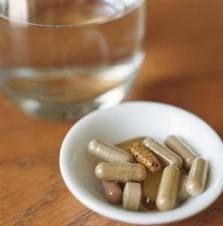
Check out this supplement cabinet in my kitchen!  Yes, those are ROWS of supplements, on behind the other, and so forth, lol.


As you can imagine, there are NO vitamin organizers that fit all this crap!  I try, I buy all different ones and I try to organize, coax and squeeze them in, to no avail.  I have resorted to using a Dixie cup, well, three Dixie cups a day.

For the kids I fill three small glass bottles of vitamin and antimicrobial "cocktails" each night, for the next day.  For my own, I fill up a week's worth of Dixie cups at a time.  Occasionally, I get lazy with my own and miss a day or two when I don't feel like refilling them and I ALWAYS regret it!  I feel so different without them!  Anytime we have given the kids a supplement break, they regress.  There is nothing that speaks louder than the cause and effect of an experiment like that.

As a quick-reference guide, without all the wordy, detailed explanations, here are the supplements the kids take in alphabetical order:

Adrenal cortex extract
Artichoke extract
Astaxanthin
B6
B-Complex
Benfotiamine
Biotin
Black currant seed oil
Cod liver oil
DMG
Flax oil
Iodine (Lugol's)
Krill oil
L-Theanine
Lithium orotate
Magnesium glycinate
Melatonin
MB-12
Molybdenum
NAC
Niacinimide
Omega 3s
P5P
Pantothenic acid
Probiotics (Custom Probiotics)
Taurine (if needed)
Trace minerals (without copper)
Thymucin
Tyroid glandular (if the thyroid is a problem)
Vitamin D3
Vitamin K2
Zinc (ionic)

Friday, November 4, 2011

Coconut yogurt

I finally found the key to easy, thick and creamy coconut yogurt!!  Coconut cream!!

When you make your own yogurt, you avoid cross contamination issues, preservatives, refined sugars, food coloring and you can control the bacteria strains used.  For those who have kids with PANDAS or sensitivity to yeast, that is key to being able to have yogurt at all, because most yogurt is made with S. Thermophilus which is a strep strain that can flare PANDAS.

I used a dehydrator for this recipe, to incubate the yogurt at a consistent, low temperature, but you can use a yogurt maker or store the jar in an insulated cooler.


Homemade Coconut Yogurt
  • 3  cartons of the coconut cream linked above.  If you can find another source, it just needs to be thick like heavy cream.
  • 1/4 tsp non-dairy probiotic of choice (I used Custom Probiotics 12 strain)
  • 1-2 Tbsp. honey OR maple syrup OR coconut nectar
  • Candy thermometer (very important)
  • Glass or ceramic containers with lids (do not use metal).  I use a Pyrex container and I place a small plate upside down on top of it while it incubates, then use the plastic lid during refrigeration.
  1. Sterilize your yogurt containers, mixing spoons and other utensils with boiling water. This will keep bad bacteria from competing with the good bacteria.
  2. In a saucepan, bring coconut milk to 170-185 degrees, then remove from heat. Bringing it to just boiling is ok, but watch it closely. (Do NOT microwave, which harmfully alters the chemical structure of the milk).
    Some say you don’t have to heat coconut milk very much, because it usually comes from sterile containers. However, if you have made your own coconut milk, make sure you’ve heated it to at least 180 degrees, or you risk of contamination with Burkholderia cocovenenans or other harmful bacteria.
  3. Add maple syrup or honey and stir thoroughly. The sweetener provides food for the bacterial culture and will be mostly consumed by the time your yogurt is done. Without a natural form of sugar, coconut milk will not culture.
  4. Cover (I just lay a clean kitchen towel over the top) and cool to 105-110 degrees. It is very important that you allow the temperature to drop so as not to kill the bacterial culture you are going to introduce. It takes a fair amount time to cool to 110, so go do something else in the house for a while.
  5. Remove about 1/2 cup of cooled coconut milk, and add either 1/4 cup of plain coconut yogurt (from your previous batch) or 1/4 tsp. of your probiotic. (You should save 1/4 cup of your homemade yogurt as a starter for the next batch.) Stir well.
  6. Thoroughly mix the inoculated batch back in with the remainder of the cooled coconut milk.
  7. Pour cultured milk into any appropriately-sized, shallow glass or enamel containers, cover and let stand at 105-110 degrees for 8-24 hours, to a maximum of 29 hours. The longer you ferment the yogurt, the less sugar it will contain and the more sour it will taste. Check for taste at 8 hours, but note that if you want all the sugar to be fully consumed by the bacteria, you will need to ferment for at least 18 hours.
  8. To keep the correct temperature for the culture, I use my Excalibur dehydrator set at about 105 degrees, and place the containers on the bottom, away from the heating element. You can also use a temperature-adjustable heating pad or crockpot, or put a 60-Watt bulb in your oven and leave the light on. No other heat is needed. Remember, too high a temperature will kill the bacterial culture; too low of a temperature will prevent proper fermentation. You will know you have done it right by the proper yogurt-sour smell and taste.
  9. After 8–24 hours, remove from heat, stir to an even consistency and refrigerate.
  10. Once fully cooled, you can stir in fresh fruit, vanilla, nuts, oats, or any other flavoring you desire.
Your yogurt should smell and taste sour—like yogurt. If you notice any “off” or foul odors, mold, or pink splotches on the surface, discard and try again, making certain all your implements are sterile, and that you’ve both well-heated your milk prior to culturing, and cultured at the correct temperature. Your yogurt might have separated with a cloudy liquid on the bottom. This is usually not a problem, as long as everything else smells and tastes OK. Just mix well and enjoy.

Tuesday, November 1, 2011

No bake pumpkin butter mousse

We were surprised with a crazy Noreaster snow storm that hit our state hard.  So when our friends lost their power for four days we had an impromptu family sleep over at my house, so we made the best of it and played with food, since her family is on the low oxalate diet too.  =)


This recipe was a total accident!  This is the kind of accident I would love to have more often!!  It turned out DIVINE.  This is reminiscent of a peanut butter pie and, if you have a good crust recipe (especially chocolate, although that is not low oxalate), it would make a great team.  We just filled custard bowls and topped with this easy whipped topping.  VERY rich and satisfying.  This would be a nice addition to Thanksgiving dinner.  Oh, and it's HEALTHY!

Ingredients
-1/4 C sunbutter
-1 C pumpkin puree
-1 banana
-1/2 C coconut nectar or honey
-1 Tbsp coconut flour (this is only necessary, if you don't have the gelatin mentioned below)
-1/2 tsp ground cinnamon
-1/2 tsp ground nutmeg
-1 tsp vanilla extract

Note - If you would like a pumpkin pie consistency like the picture below, put two tablespoons of unflavored gelatin into a little sub milk, 1/4-1/2 a cup should be enough (we use camel milk) to soften for a few minutes before adding it to the above mixture.  You can literally flip this out of a mold onto a plate upside down to make a flan-like custard dessert!

Put all of the above ingredients into a blender and blend until smooth, then pour into custard cups and refrigerate.  I made a crust with ground flax seed, coconut flour, ghee, coconut oil and a bit of sweetener and it made an awesome pie!!


The coconut cream topping is SO easy and SO tasty.

Ingredients
-1 container of refrigerated (or put into the freezer for about 20 minutes) coconut cream
-1/4 C powdered coconut sugar or xylitol which keeps it white like the picture ("powder" it by grinding in a clean coffee grinder until it is a powder)
-1 tsp vanilla

Combine the above ingredients in a bowl and whip for a few minutes until light and fluffy.  I would recommend waiting until you are ready to serve the mouse, before making the whipped topping for best results.